
Every Pilates instructor learns the repertoire. We study the exercises, understand the equipment, practise the sequences and develop an appreciation for the principles behind the method.
But knowing the exercises is only one part of becoming a skilled Pilates teacher.
The real work begins when a person walks into your studio.
Every client brings a different movement history, physical abilities, limitations, habits and expectations. Two people may perform the same exercise, yet need entirely different approaches to get the most from it.
This is where good Pilates teaching goes beyond demonstrating exercises. It requires the ability to observe, understand and respond to the individual in front of you.
At Anita Horry Academy, we believe that teaching Pilates is not about fitting every body into the same exercise. It is about understanding the body, recognising what it needs and making informed teaching decisions.
1. Observe and Understand the Body in Front of You

One of the most valuable skills a Pilates instructor can develop is observation.
Before deciding what exercise to teach or what correction to offer, take the time to look at how your client moves. Notice how they stand, walk, sit, breathe and organize their body. Observe their posture, coordination, balance and relationship with movement.
During an exercise, look beyond whether they can complete the movement. Consider how they are achieving it.
Are they moving freely, or compensating somewhere else? Are they holding their breath? Are they relying on momentum? Do they understand the movement, or are they simply following your instructions?
Every client has a different starting point. One person may have excellent flexibility but struggle with strength and control. Another may have strong muscles but limited mobility. Some clients may be returning to movement after an injury, while others are managing the physical changes that come with ageing.
Understanding these differences allows you to approach each session with greater awareness.
Instead of immediately asking, “What exercise comes next?”, consider asking, “What does this body need right now?”
That simple change in thinking can transform the way you teach.
2. Understand the Purpose Behind Every Exercise

Knowing the repertoire is important, but understanding why an exercise is being taught is what allows an instructor to use it effectively.
Every exercise has a purpose. It offers particular movement challenges, develops specific skills and asks the body to organize itself in certain ways.
When instructors understand these purposes, they are better equipped to make informed decisions.
For example, if a client struggles to maintain pelvic stability during an exercise, simply repeating the movement may not address the underlying difficulty. The instructor needs to consider what is happening, which movement demands are proving challenging and how the exercise could be approached differently.
This requires more than memorizing sequences. It requires knowledge of anatomy, biomechanics, movement principles and the relationship between exercises.
Understanding the complete Pilates system also provides a wider range of teaching possibilities. The Mat, Reformer, Cadillac, Wunda Chair, Ladder Barrel and Spine Corrector each offer different ways to explore movement and develop the body’s capabilities.
When you understand how exercises relate to one another, you can draw on different parts of the repertoire to support a client’s needs.
The objective is not simply to know more exercises. It is to understand how and when to use them.
3. Adapt Your Teaching with Purpose

An effective Pilates instructor understands that not every client will perform an exercise in the same way.
Sometimes a client needs a simpler starting point. Sometimes they need additional support, a different spring setting, a smaller range of movement or a different exercise altogether. At other times, they may be ready for a greater challenge.
The important thing is understanding why you are making that decision.
An adaptation should have a purpose. It should help the client work towards the intended movement objective without introducing unnecessary difficulty.
Consider the following questions when planning or adjusting an exercise:
- Does the client have the strength and control required for this movement?
- Is the range of movement appropriate?
- Is the equipment supporting or challenging them in the right way?
- Would a different exercise help develop the necessary skill?
- Are they ready to progress?
Clients do not always respond as expected. An exercise that worked beautifully in the previous session may present a completely different challenge today.
This is why instructors need to remain attentive rather than becoming attached to a planned sequence.
Developing this ability involves clinical reasoning: gathering information, recognizing movement patterns, considering possible explanations and making appropriate teaching decisions within your professional scope.
A thoughtful instructor is not someone who always has an immediate answer. It is someone who knows how to observe, question, evaluate and respond responsibly.
4. Continue Developing Beyond the Repertoire

Becoming a good Pilates instructor does not happen when you complete your training or receive your certificate. It develops through continued practice, observation, teaching experience, feedback and further education.
Every client presents an opportunity to learn something new.
Reflect on your sessions. Think about what worked, what did not and what you might approach differently next time. Ask questions, seek guidance from experienced educators and continue developing your understanding of anatomy, movement and the Pilates repertoire.
Most importantly, remain curious.
The difference between knowing the repertoire and knowing how to teach it is significant. An instructor can memorize hundreds of exercises, but the ability to select, adapt and teach them appropriately requires a deeper understanding of the method and the person performing the movement.
Final Thoughts
Teaching the body in front of you means looking beyond the exercise. It means understanding what you observe, recognizing what the client needs and making thoughtful decisions that support their development.
At Anita Horry Academy, this is central to our approach to Pilates education. Our Comprehensive Classical Pilates Teacher Training develops more than repertoire knowledge. It encourages students to build the observation skills, anatomical understanding, teaching experience and practical reasoning needed to become confident, thoughtful instructors.
Because the repertoire may be the same, but the person performing it never is.
Take the Next Step in Your Pilates Education
How do you teach a client whose body is changing? And how can you better understand the individual needs of every body in front of you?
Explore two upcoming online workshops from Anita Horry Academy:
What Does This Body Need? – Ageing Bodies
Teaching the Body in Front of You
Designed for Pilates teachers looking to strengthen their teaching and bring greater understanding into their everyday sessions, these workshops offer the opportunity to explore important teaching concepts in greater depth, revisit key principles and take practical ideas back into your own studio.
We are pleased to announce that both workshops will soon be available online, allowing you to learn, reflect and develop your teaching wherever you are.
The online workshops will be available to purchase soon!
To be among the first to receive the release information, simply email:
Learn more about our training program: CLICK HERE
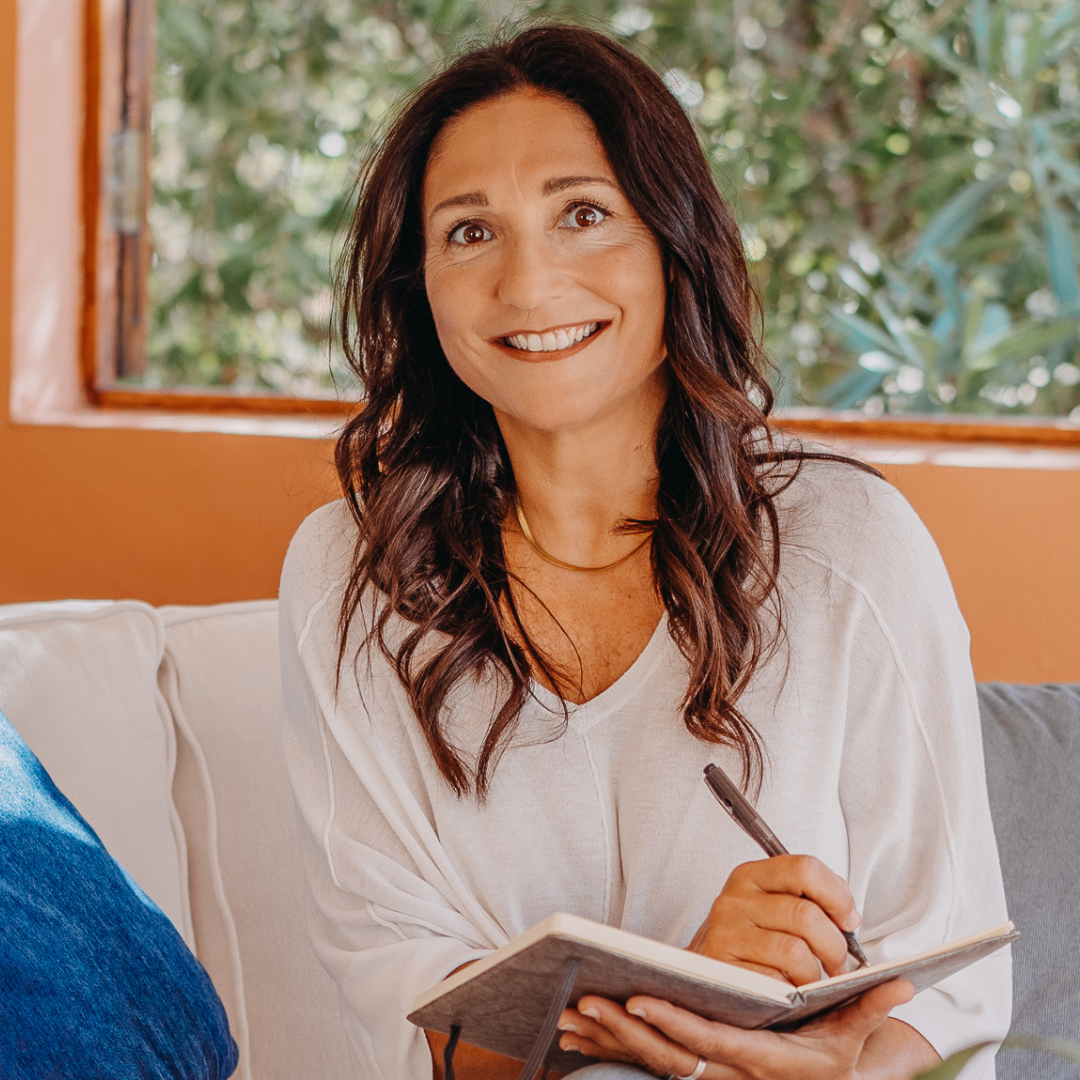
Anita Horry
is a 2nd Generation Pilates Master Teacher, founder of the Anita Horry Academy, and an internationally respected educator, mentor, and business coach for Pilates professionals.
A fully certified Classical Pilates teacher, Anita holds a degree in accountancy and began her career in the corporate world before transitioning fully into the world of movement and wellness. Her teaching has been profoundly shaped by the mentorship of industry legends Lolita San Miguel and Bob Liekens, whose wisdom continues to influence her work.
Anita Horry is an international speaker and educator, recognized for her dedication to elevating Pilates standards worldwide. She serves as a juror for the Pilates Method Alliance’s International Teacher Training Accreditation Program (ITTAP), supporting the global standardization of excellence in Pilates education.
Anita is also a judge for the 2025 Pilates Journal Awards in Los Angeles and has presented at international events such as the Pilates Journal in California, USA.
Through the Anita Horry Academy, she offers a comprehensive Pilates teacher training program, hands-on mentorship, and business coaching for instructors ready to build purpose-driven, sustainable careers. Known for her evidence-based, heart-centered approach, Anita helps teachers move beyond memorization to truly understand the method as a complete system.
Based between Malta and Spain, Anita travels internationally to teach, speak, and mentor. With a deep commitment to quality, community, and integrity, she continues to inspire and elevate a new generation of Pilates leaders around the world.